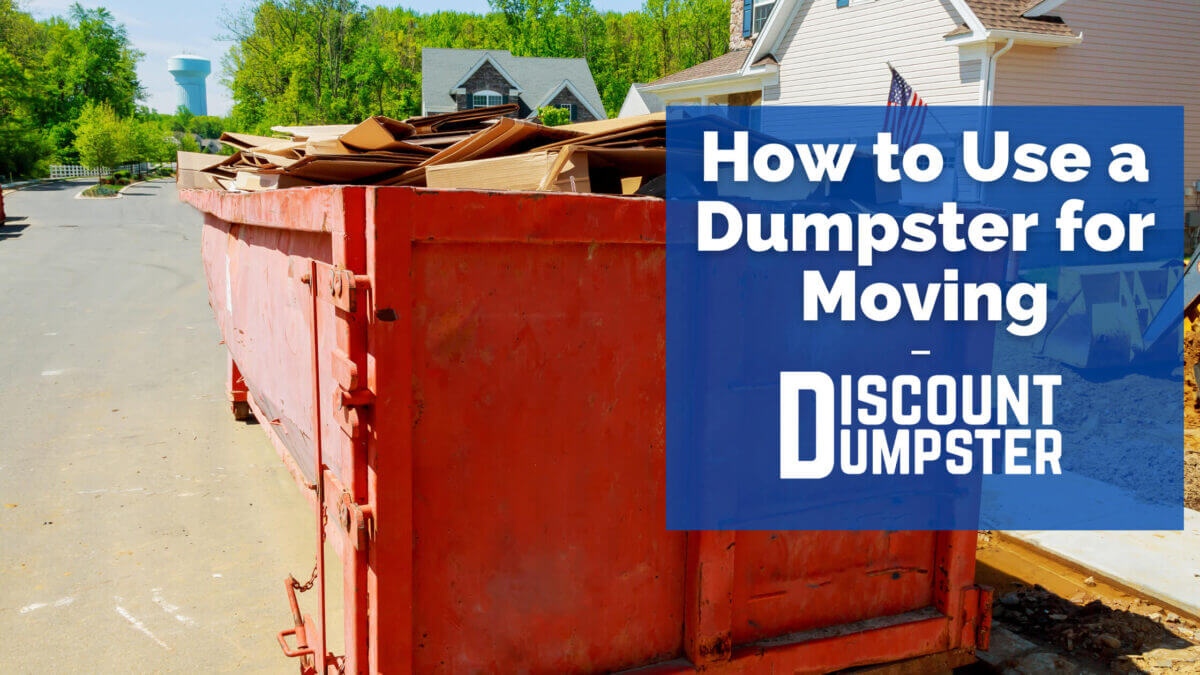
When leasing a dumpster, it is essential to determine the right size and type for your project, considering elements like weight capacity and accessibility constraints. Comprehending expenses and rental durations is necessary to prevent shock costs, and making clear rates structures can protect against misconceptions. Prepare your property for delivery by removing the area and designating a certain area, and see to it you recognize prohibited items like hazardous waste and liquids. Efficiently load the dumpster, handle heavy particles, and communicate with your rental carrier to ensure a smooth experience. By following these essential ideas, you'll be well on your way to a successful dumpster rental experience, and taking the next steps can assist you enhance your waste management process
Determining the Right Dumpster Size
When dealing with a massive project or cleanup, having the right dumpster size is essential to assure efficient waste management and prevent additional costs The incorrect size dumpster can lead to wasted room, boosted costs, and logistical headaches.
To identify the suitable dumpster size, consider the scope of your task, the sort of products you'll be dealing with, and the offered room for the dumpster on your site.
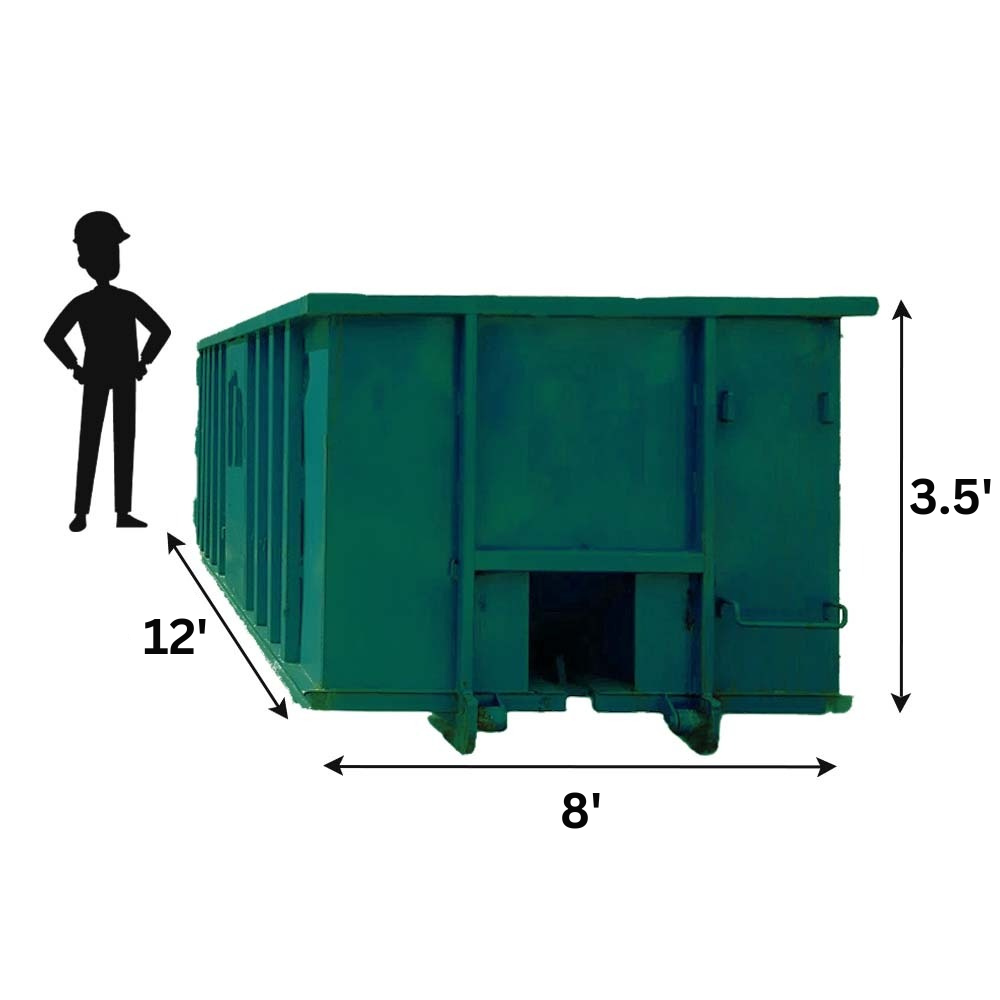
Common dumpster dimensions vary from 10 to 40 yards, with each size serving a specific purpose. For small tasks, such as bathroom restorations or tiny clean-ups, a 10- or 20-yard dumpster may suffice.
Larger jobs, like industrial construction or estate cleanouts, may require a 30- or 40-yard dumpster. Make sure to additionally take into consideration the weight capacity of the dumpster, as overloading can result in additional fees and safety and security hazards.
Understanding Dumpster Rental Costs
With the appropriate dumpster size secured, focus turns to the economic element of renting a dumpster. Comprehending the expenses included is vital to guarantee a convenient experience.
The total cost of dumpster rental usually consists of a number of components: the rental fee, shipment and pick-up fees, and any type of additional services such as dumpster defense or excessive weight costs. Understand that rates may vary relying on your area, the type of waste being disposed of, and the rental duration.
Some dumpster rental business might likewise charge extra for solutions like same-day shipment or weekend pickups.
To avoid shock prices, it is very important to make clear the pricing structure with your selected service provider. Ask about any type of potential additional fees and confirm you comprehend what is consisted of in the quoted price.
Choosing the Right Dumpster Type
Selecting the proper dumpster type is necessary to guarantee a smooth waste monitoring procedure. Various projects require certain dumpster kinds to assure effective and cost-effective waste disposal.
When selecting a dumpster kind, think about the following factors:
- Roll-off dumpsters: suitable for large-scale tasks, such as building or demolition, because of their high capability and simplicity of loading. Front-load dumpsters: ideal for companies or restaurants, as they offer regular waste collection and small waste storage. Rear-load dumpsters: perfect for limited spaces, such as alleys or slim roads, because of their portable size and easy loading. Mini dumpsters: excellent for small projects, like home renovations or lawn clean-ups, as they use flexibility and convenience.
Obtaining Essential Authorizations and Licenses
Having picked the right dumpster type for your project, it's similarly vital to validate conformity with local regulations by acquiring the necessary permits and licenses. This action assures that your job continues efficiently, preventing prospective penalties or disruptions.
The certain permits called for vary depending upon your location, task kind, and dumpster positioning. Commonly, you'll need an authorization from your local government to position a dumpster on a road or pathway. In addition, some areas or house owners' associations may have their own policies and permits.
Research the laws in your area and look for the necessary permits prior to the dumpster delivery Be prepared to provide project details, such as the dumpster dimension, positioning, and duration.
Once you've obtained the essential permits, ensure you display them prominently on the dumpster or at the job website. Failure to comply with regulations can lead to penalties, so it's vital to take this action seriously and strategy accordingly.
Preparing Your Property for Delivery
- Clear the delivery area of any type of barriers, consisting of vehicles, trees, and power lines. Remove any type of low-hanging branches or cables that could disrupt the dumpster placement Make sure the driveway or street is wide sufficient for the dumpster vehicle to access the delivery site. Designate a particular location for the dumpster, away from foot web traffic and potential hazards
Filling the Dumpster Efficiently
Optimizing dumpster area is important to guarantee a hassle-free waste administration process By filling the dumpster efficiently, you can stay clear of pricey overflows, reduce the threat of damage to surrounding building, and protect a smooth pick-up process.
To make best use of area, damage down bulky items like furniture and home appliances into smaller sized, more workable pieces. This permits you to pack them tightly and make the most of the offered room. Additionally, think about layering your waste, starting with larger things near the bottom and filling in gaps with smaller sized ones. This will certainly help prevent spaces and maintain the dumpster contents steady throughout transport.
When packing the dumpster, begin by positioning the heaviest products at the bottom and work your method up. This will protect against lighter items from getting smashed and decrease the risk of damage to the dumpster itself.
Prohibited Items to Avoid
When renting a dumpster, it's essential to know the prohibited items that can not be taken care of in the dumpster.
These products can create damage to the environment, damage the dumpster, or perhaps position a risk to human health Familiarizing on your own with what can and can not be thrown away will aid you stay clear of any type of potential issues or fines.
Some usual prohibited products consist of:
- Hazardous waste such as batteries, electronic devices, and fluorescent light bulbs Liquids, including paint, chemicals, and fuel Asbestos, tires, and other materials including hazardous substances Medical waste, including needles, syringes, and various other biohazardous materials
Managing Heavy Debris and Materials
Heavy building projects and restorations frequently generate a significant quantity of heavy debris and materials, including concrete, asphalt, and roof shingles, which call for special handling and disposal
These products can be exceptionally dense and challenging to manage, making it crucial to plan in advance and choose the right dumpster rental service for the job.
When handling hefty debris and materials, it's vital to ponder the weight capacity of the dumpster and the sort of devices needed for loading and unloading.
Be sure to pick a dumpster with a heavy-duty frame and reinforced walls to withstand the weight of these materials.
Additionally, think of the dimension of the dumpster and the frequency of pickups to guarantee that you can effectively take care of the particles without overloading the dumpster or triggering project delays.
Scheduling Pick-up and Delivery
During the dumpster rental process, scheduling pick-up and shipment is an essential facet that can significantly impact the success of a project. A well-planned routine assurances that the dumpster gets here promptly, allowing you to finish your job efficiently.
Conversely, an improperly prepared timetable can result in hold-ups, resulting in included costs and stress.
To stay clear of such concerns, think about https://anotepad.com/notes/5iadrwiw the following:
- Clear communication: Validate the delivery and pick-up days with your rental provider to avoid confusion. Flexible scheduling: Choose a provider that provides flexible organizing to accommodate modifications in your job timeline. Accurate placement: Validate the dumpster is put in a quickly accessible location to help with efficient loading and unloading. Timely removal: Arrange the pick-up at a practical time to avoid obstructing pedestrian or vehicular traffic.
Ensuring a Smooth Rental Experience
To guarantee a seamless dumpster rental experience, it is necessary to concentrate on the finer information that can make or break the success of your job. One considerable facet is verifying the dumpster is placed in an accessible location, enabling easy loading and unloading of waste.
Additionally, it is necessary to clear the surrounding area of any kind of blockages, such as vehicles, trees, or high-voltage line, to stop damages or safety hazards.
Furthermore, it is essential to communicate effectively with your rental carrier, informing them of any kind of specific requirements or constraints, such as restricted room or heavy waste products. By doing so, you can avoid potential concerns and assure a smooth rental experience.
It is likewise recommended to develop a clear understanding of the rental period, including the exact shipment and pick-up times, to stay clear of any complication or delays.