When it concerns dumpster rentals, making informed decisions regarding size, rental period, and contents is necessary to guaranteeing a smooth and affordable waste monitoring process for your task. Choosing the right dumpster size depends upon the kind and quantity of waste, while recognizing rental period alternatives aids customize the duration to your job's needs. Recognizing what can and can't go in the dumpster is essential, and proper placement and ease of access are essential for efficient disposal. Ultimately, budgeting for extra fees, such as overweight charges and gas additional charges, helps prevent shock prices. By considering these key aspects, you'll be well on your means to a successful waste monitoring technique that meets your project's unique demands.
Choosing the Right Dumpster Size
The appropriate dumpster size is essential to ensuring a successful waste management project, as it directly impacts the efficiency and cost-effectiveness of the whole operation. A dumpster that is also little can result in constant draining, resulting in enhanced costs and logistical challenges.
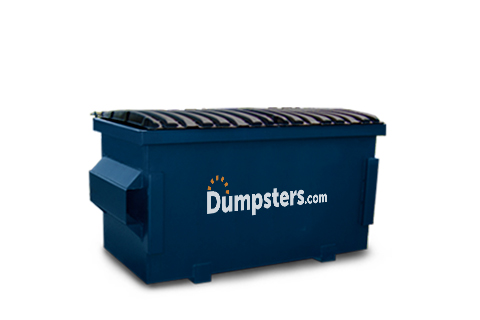
On the other hand, a dumpster that is also big can be a waste of resources, taking up useful area and increasing costs unnecessarily.
To establish the best dumpster size, review the range of your job, including the type and volume of waste to be created. For small-scale projects, such as minor improvements or yard cleanings, a 10-15 backyard dumpster may be sufficient. For bigger jobs, such as building or demolition, a 20-30 backyard dumpster may be necessary.
It's also important to examine the weight capacity of the dumpster, as overloading can result in extra costs and safety hazards.
Understanding Rental Period Options
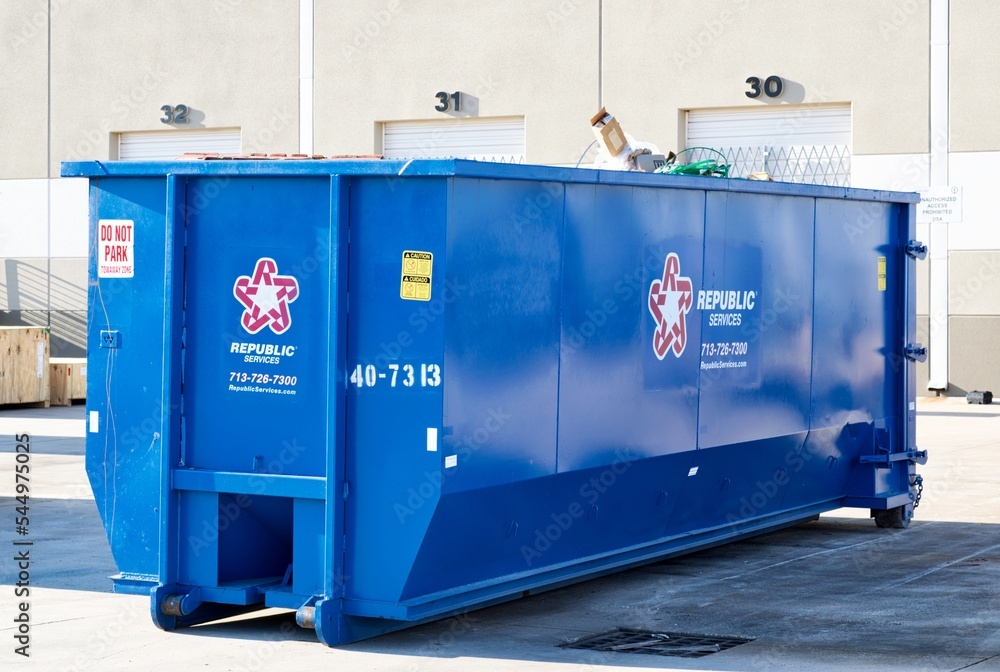
With the ideal dumpster size in place, interest can now move to the rental period, an essential facet of the waste management process This determines for how long you'll have the dumpster on-site, and it's necessary to pick a duration that lines up with your project's timeline. Commonly, rental durations range from a couple of days to numerous weeks or perhaps months.
When picking a rental period, think about the scope of your task, the quantity of waste you anticipate to produce, and the regularity of waste disposal. As an example, if you're taking on a major renovation, you may require a much longer rental period to accommodate the quantity of debris.
On the various other hand, a much shorter rental period might be sufficient for smaller sized tasks like spring cleaning or lawn work. Make sure to discuss your specific needs with your dumpster rental carrier to establish the perfect rental period for your situation.
What Can Go in the Dumpster
As you prepare to fill your dumpster, it's important to understand what can and can not be thrown away in the dumpster to stay clear of any type of concerns or extra fees.
Generally, dumpsters can fit a wide range of products, consisting of construction debris, home trash, yard waste, and also home appliances. Nonetheless, there are specific products that are prohibited or need special delivery, such as hazardous waste, electronics, and batteries.
It's vital to check with your dumpster rental service provider for details standards on what can be gotten rid of in the dumpster. Some typical items that are not allowed consist of tires, asbestos, and fluorescent light bulbs.
Additionally, some materials may need special licenses or handling, such as concrete or asphalt.
Understanding what can and can not enter the dumpster will assist you prevent any type of potential issues or fines.
It's likewise essential to follow the weight capacity and size restrictions of the dumpster to guarantee secure and effective disposal.
Placement and Access Matters
Beyond the what of dumpster contents, proper placement and access of the dumpster itself are essential considerations.
You'll wish to ensure the dumpster is put in an area that permits easy loading and unloading, lessening the danger of damage to surrounding property or obstruction of pedestrian traffic. Perfect areas typically include driveways, parking area, or marked building areas.
Accessibility is likewise vital, as you'll require to ensure the dumpster is easily accessible for garbage disposal and pickup.
Avoid placing the https://671d9126f0478.site123.me dumpster in locations with low-hanging branches, power lines, or other above blockages that can impede pick-up. Additionally, be mindful of local regulations and homeowners' organization rules that might restrict dumpster placement.
Budgeting for Extra Fees
Determine your total project cost by considering additional fees connected with dumpster leasings. These fees can quickly accumulate, making a considerable difference in your general expenses.
For circumstances, overweight fees can range from $50 to $100 per bunch, depending on the rental firm and regional laws. Understand that some firms might additionally charge added for fuel surcharges, delivery fees, or disposal charges for sure materials.
To stay clear of shock expenses, ask your rental firm about any prospective charges ahead of time. Clarify their pricing structure and what's consisted of in the first quote.
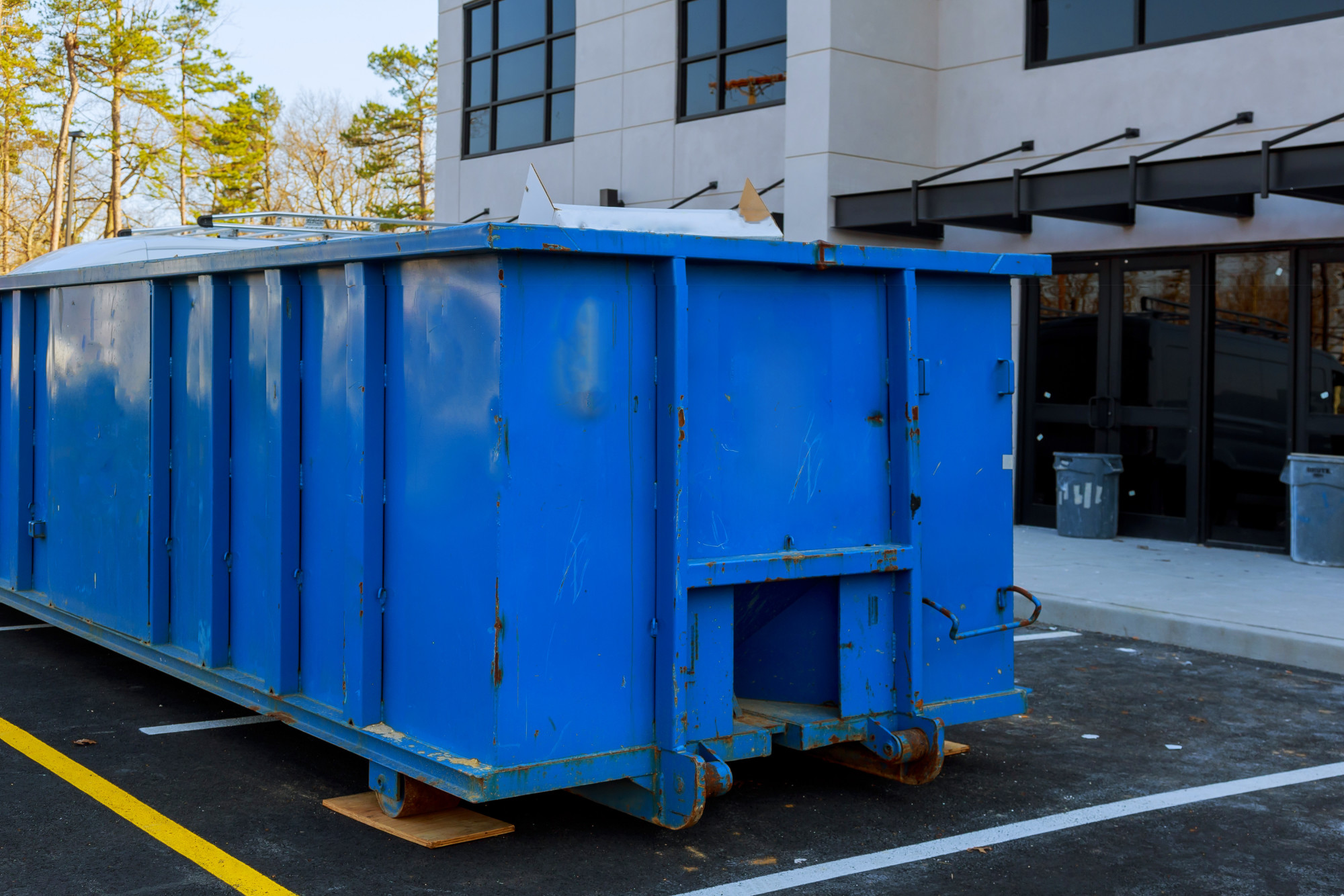
Additionally, think about the type and weight of materials you'll be disposing of, as this can affect your general prices. By factoring in these additional fees, you can produce an extra accurate budget and prevent monetary setbacks.