To achieve dumpster rental success, comply with these 10 basic actions: establish project waste needs, pick the ideal dumpster dimension, set a clear rental period, check local regulations, prepare the site for distribution, manage heavy particles appropriately, keep the dumpster tidy, routine pick-up promptly, evaluation rental terms very carefully, and warranty compliance with local guidelines. By following these steps, you'll avoid costly mistakes, assure a seamless job timeline, and preserve a clean and safe worksite. By comprehending these important steps, you'll be well on your way to an effective dumpster rental experience that sets your task up for success.
Determine Project Waste Needs
Accurately reviewing waste generation is necessary to a successful dumpster rental experience Recognizing the volume and type of waste your job will generate aids you get ready for efficient waste management
Start by identifying the project scope, consisting of the materials included, and approximate the quantity of waste that will certainly be produced. Consider elements such as demolition, building, or remodelling tasks, in addition to the kind of materials being used or removed.
Next, analyze the project timeline to determine the duration of waste generation. This will certainly assist you plan for the essential dumpster rental duration and avoid unnecessary expansions or early pickup fees.
Additionally, consider any kind of local regulations or limitations on garbage disposal to assure conformity. By properly reviewing your job's waste needs, you can make certain a smooth dumpster rental experience, lessen expenses, and maintain a clean and organized worksite
Choose Right Dumpster Size
Selecting the ideal dumpster dimension is critical to a successful waste management technique. A dumpster that is as well small can bring about overflow, leading to additional costs and hassle. On the various other hand, a dumpster that is also big can be a waste of resources and space.
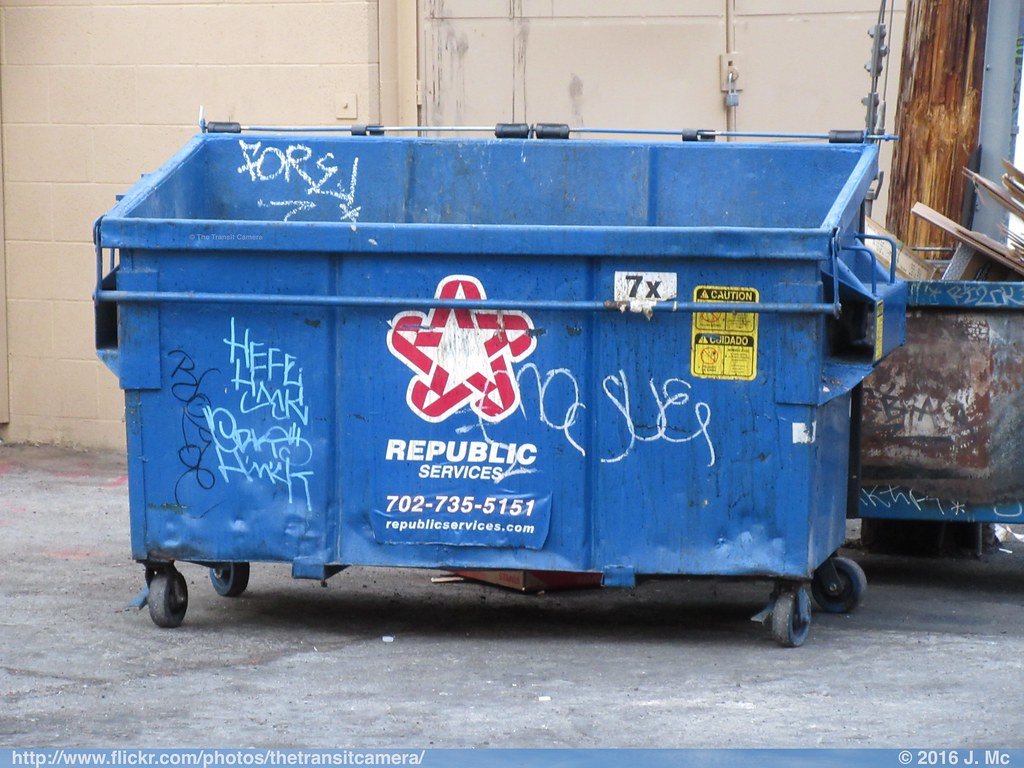
To choose the ideal dumpster size, consider the list below aspects:
Volume of waste: Estimate the quantity of waste you anticipate to produce throughout your job. This will certainly help you determine the dumpster size required to fit your waste needs.
Type of waste: Various sorts of waste, such as building debris or house garbage, have different quantity and weight needs. Make certain you choose a dumpster size that can handle the specific sort of waste you will certainly be disposing of.
Space constraints: Consider the space offered for the dumpster on your task website. Ensure the dumpster dimension you select fits pleasantly in the assigned location, allowing for very easy accessibility and maneuverability.

Set Clear Rental Period
A well-defined rental period is the cornerstone of a hassle-free dumpster rental experience, ensuring that your project timeline and waste administration requirements are harmoniously aligned.
By developing a clear rental duration, you can stay clear of unnecessary delays, extra fees, and hassle. When setting your rental period, take into consideration the scope of your task, the amount of waste you anticipate to generate, and the logistics of your cleaning schedule.
Be reasonable about how long you'll need the dumpster, and consider some additional time for unexpected setbacks A typical rental duration arrays from a few days to numerous weeks, depending on the type of task and the dumpster size.
Be sure to discuss your rental duration with your dumpster rental company to confirm you're both on the same page. By doing so, you'll prevent misunderstandings and make certain a seamless waste administration experience that satisfies your demands and stays within your budget.
Check Regional Laws First
Your task's waste monitoring method hinges on compliance with regional laws, which can vary substantially depending upon your place and the type of task you're undertaking.
Failure to comply can cause fines, penalties, and even task hold-ups. To stay clear of these issues, it's vital to research and recognize the neighborhood guidelines governing dumpster rental and waste disposal in your area.
Here are 3 key areas to focus on:
Permit requirements: Determine if you require any kind of unique licenses to place a dumpster on your building or on the road. Some municipalities need licenses for dumpster placement, while others may have certain laws for certain sorts of projects.
Waste disposal restrictions: Find out what kinds of waste are banned from being gotten rid of in a dumpster, such as hazardous materials or electronics. Verify you understand what can and can not be put in the dumpster.
Dumpster positioning and size restrictions: Inspect if there are any constraints on the dimension or positioning of dumpsters in your area, including any kind of obstacles from property lines or streets.
Prepare Site For Delivery
Site preparation is vital for a seamless dumpster rental experience, guaranteeing a hassle-free shipment and effective waste management process.
A well-prepared website enables the dumpster to be put properly, lowering the risk of damage to residential or commercial property or surrounding structures
Begin by getting rid of the designated location of any kind of challenges, such as lorries, furnishings, or particles. Establish the surface is level and firm, as irregular or soft ground can trigger the dumpster to shift or become unstable.
If the dumpster will certainly be put on a driveway or street, get any kind of necessary permits or approvals.
Additionally, mark a clear path for the delivery truck to access the website, thinking about any kind of overhead obstructions like power lines or tree branches.
Load Dumpster Securely Always
Proper loading strategies are important to maintaining an effective dumpster rental experience, as they straight impact the performance and safety of the waste monitoring process. A well-loaded dumpster warranties that waste is transferred successfully, minimizing the risk of mishaps and ecological hazards.
Additionally, it likewise aids stop damages to the dumpster and surrounding property.
To load a dumpster securely, follow these standards:
Distribute weight evenly: Ensure that the weight of the waste is uniformly distributed throughout the dumpster to avoid it from becoming top-heavy or unstable. Load heavier things at the bottom: Area heavier products, such as furnishings or appliances, at the end of the dumpster to produce a secure base. Keep the dumpster covered: Cover the dumpster with a tarp or other product to stop debris from spilling out during transportation.Manage Hefty Particles Properly
Heavy particles, such as construction products and cumbersome things, can pose significant difficulties during the dumpster rental process These items can be difficult to handle due to their dimension, weight, and quantity, making it important to plan in advance and take necessary precautions.
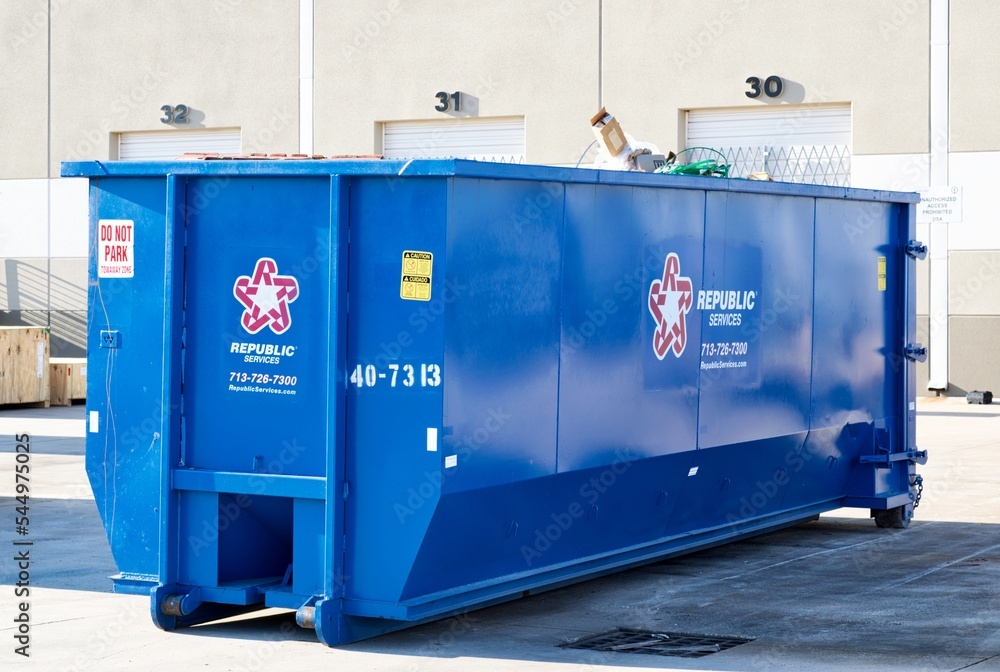
To guarantee a smooth and successful dumpster rental experience, it is vital to handle heavy debris appropriately. Beginning by separating hefty particles from lighter materials to prevent damage to the dumpster and bordering residential property. This partition will certainly also aid you to enhance the dumpster's capability, decreasing the demand for multiple rentals.
When loading hefty particles, distribute the weight evenly and avoid overloading the dumpster https://piedmonttriaddumpsters.com/ to prevent crashes and spills. Additionally, think about the dumpster's weight capacity and select a rental solution that supplies dumpsters appropriate for dealing with heavy debris.
Keep It Clean Inside Out
Effective management of heavy debris sets the stage for a successful dumpster rental experience. A clean and well organized dumpster not just guarantees a smooth rental procedure however likewise assists maintain a safe and healthy environment for everybody involved.
Keeping the dumpster tidy inside out is important to stay clear of any kind of prospective concerns throughout the rental period.
To attain this, follow these simple steps:
Regularly clean the dumpster interior to stop the buildup of particles and odors. Verify appropriate segregation of waste to stay clear of contamination and promote efficient disposal. Keep the surrounding area tidy and clear to prevent debris from spreading out and to enable easy accessibility to the dumpster.Schedule Pickup On Time
Scheduling dumpster pick-up on schedule is important to a seamless rental experience, as it ensures that the dumpster is gotten rid of without delay, and the site is restored to its original state.
This confirms that your residential or commercial property stays tidy and arranged, and you can concentrate on various other important tasks. When organizing pickup, make certain to give the rental firm with a specific date and time that benefits you.
This will help avoid any type of delays or miscommunications that can cause extended rental periods or additional charges. In addition, make sure to have the dumpster all set for pick-up by guaranteeing it is conveniently available and not obstructed by any kind of obstacles.
By doing so, you can rest certain that the dumpster will be eliminated effectively, and you can enjoy a convenient rental experience.
Review Rental Terms Carefully
Every dumpster rental contract features a collection of conditions that describe the obligations of both the tenant and the rental company.
It is necessary to very carefully assess these terms to assure a smooth and hassle-free rental experience.
Before authorizing the agreement, take the time to go through the conditions. This will aid you recognize what is anticipated of you and the rental company.
Here are three essential points to search for:
Rental Period: Know the exact duration of the rental duration and the repercussions of keeping the dumpster much longer than concurred upon.
Weight and Dimension Restrictions: Understand the weight and dimension constraints of the dumpster to prevent extra charges or penalties.
Disposal Guidelines: Acquaint on your own with the standards for dealing with various sorts of waste to ensure compliance with regional regulations and stay clear of fines.